
Back to Blog
Market Insights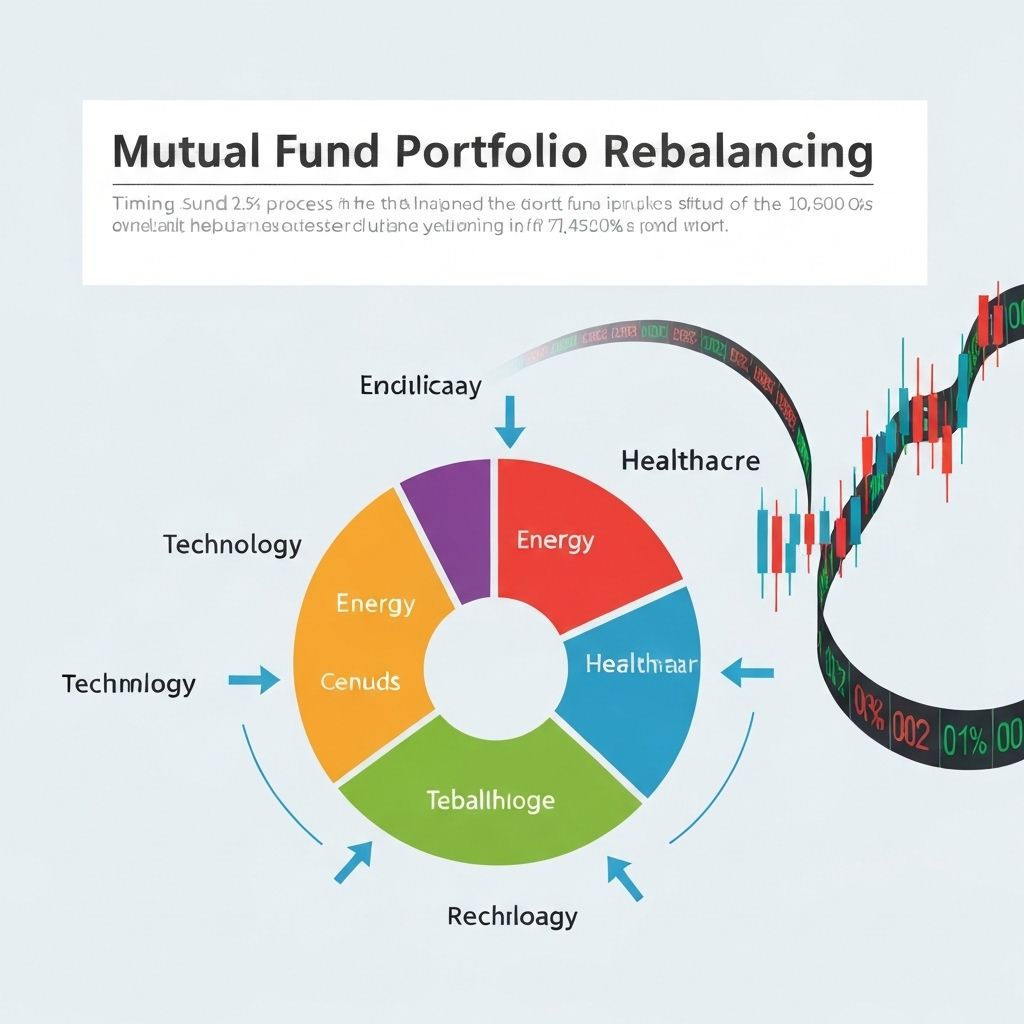
Market Highs, Market Corrections: How Mutual Fund Investors Should Respond in 2026
Niveshmarg Team
12 March 2026
12 min read
# Market Highs, Market Corrections: How Mutual Fund Investors Should Respond in 2026
2026 has been a year of extremes for the Indian stock market. We've witnessed market highs that reached record levels, followed by sharp corrections that tested investor nerves. Understanding how to respond to these cycles is crucial for long-term wealth creation.
## Understanding the 2026 Market Cycle
### The Bull Run (January-March 2026)
- Indices reached all-time highs
- Investor enthusiasm was at peak levels
- SIP and lump sum investments surged
- Media coverage created FOMO (Fear of Missing Out)
### The Correction (April-May 2026)
- Markets corrected 8-12% from peaks
- Panic selling emerged among retail investors
- Many stopped their SIPs in fear
- Negative news dominated financial channels
### The Recovery (June onwards 2026)
- Markets started recovering from correction lows
- Strategic investors benefited from the dip
- Those who stopped SIPs regretted their decision
## How Market Cycles Affect Different Investor Types
### 1. Emotional Investors (Reactive)
**During Highs**: Buy aggressively, chase returns
**During Corrections**: Panic sell, lock in losses
**Result**: Sell low, buy high – the opposite of wealth creation
### 2. Disciplined SIP Investors (Systematic)
**During Highs**: Continue regular SIP investments
**During Corrections**: Continue regular SIP investments
**Result**: Buy more units during dips, benefit from recovery
### 3. Analytical Investors (Strategic)
**During Highs**: Take profits, rebalance portfolio
**During Corrections**: Deploy reserved capital
**Result**: Disciplined wealth accumulation with tactical moves
## Smart Responses to Market Highs
### When Markets Reach New Peaks
**❌ Don't Do This:**
- Invest all your money suddenly (FOMO-driven)
- Increase SIP excessively based on optimism
- Shift from stable funds to aggressive funds
- Listen to tips and hot stock recommendations
**✅ Do This Instead:**
1. **Maintain Your SIP**: Continue your planned investments without changes
2. **Rebalance Portfolio**: If equity allocation exceeds target, rebalance
3. **Take Some Profits**: Bank 10-15% gains from outperforming funds
4. **Review Holdings**: Ensure no concentration in specific sectors/stocks
**Example**: In March 2026 (peak market), a wise investor would:
- Continue ₹10,000 monthly SIP
- Book 15% profits from outperformers
- Shift booked profits to debt funds
- Wait for opportunity to deploy more capital
### Portfolio Rebalancing at Market Peaks
| Asset Class | Target | Current (Peak) | Action |
|-------------|--------|---|--------|
| Large Cap | 40% | 48% | Reduce |
| Mid Cap | 25% | 32% | Reduce |
| Small Cap | 10% | 15% | Reduce |
| Debt/Hybrid | 25% | 5% | Increase |
**Rebalancing benefit**: When market corrects later, your debt allocation provides capital to buy equity at lower prices.
## Smart Responses to Market Corrections
### When Markets Fall 5-10%
**❌ The Mistakes People Make:**
- **Panic Selling**: Locking in losses permanently
- **Stopping SIP**: Missing out on better prices
- **Shifting to Cash**: Exiting equities completely
- **Listening to Bears**: Believing "market will fall further"
**✅ The Winning Strategy:**
#### 1. Continue Your SIP
**Why**: You're now buying the same mutual fund at 10% discount
**Example**:
- March 2026: ₹10,000 buys 50 units (price: ₹200/unit)
- April 2026 (correction): ₹10,000 buys 56 units (price: ₹179/unit)
- Additional 6 units acquired = 12% more wealth accumulation
#### 2. Deploy Pending Capital
If you had reserved ₹50,000 for deployment:
- **Lump sum investment**: Invest ₹50,000 in correction
- **Result**: Buying at 10% discount, higher recovery potential
#### 3. Increase SIP (Optional)
- Some investors step-up SIP by 10-20% during corrections
- Build more wealth while prices are low
- Requires discipline and conviction
#### 4. Rebalance Aggressively
Moving capital from debt funds to equity funds during corrections:
- Debt funds acting as "dry powder"
- Used to buy equity at lower valuations
- Creates natural buying at lows, selling at highs
**Rebalancing Action During April 2026 Correction**:
| Action | Amount | Benefit |
|--------|--------|---------|
| Shift Debt to Equity | ₹50,000 | Buying at 10% discount |
| Continue SIP | ₹10,000 | More units at lower price |
| Unchanged Holdings | Keep | Benefit from recovery |
| **Total Deployed** | **₹60,000** | **Strategic positioning** |
## Common Questions During Market Corrections
### "Will the market fall further?"
**Answer**: Nobody knows. But investing in corrections has historically been rewarding. Market predictions usually fail.
### "Should I wait for more decline before investing?"
**Answer**: Timing the exact bottom is impossible. Better approach: Invest 50% now, 50% if markets fall another 5%.
### "My SIP is in loss. Should I stop?"
**Answer**: Absolutely not! This is like stopping your gym membership because you haven't lost weight yet. Losses become gains when market recovers—which it always has historically.
### "Should I shift my equity SIP to debt funds?"
**Answer**: Only if your investment timeline or risk tolerance has changed. Don't make tactical decisions based on short-term market movements.
## Historical Perspective: Market Corrections Are Normal
The Indian stock market has experienced 8-10 corrections of 10%+ every decade. Yet:
- **20-year returns**: Average 12-14% annually
- **10-year SIP**: Built substantial wealth despite corrections
- **First-time investors in corrections**: Often became the most successful investors
## The 2026 Correction: A Case Study
**Timeline of Events**:
- **March 2026**: Market at 78,000 (Peak)
- **April 2026**: Market falls to 68,000 (13% correction)
- **May 2026**: Market at 70,000 (recovery begins)
- **June 2026**: Market at 75,000 (near previous highs)
**Three Investor Profiles**:
**Investor A (Emotional)**:
- Invested ₹1,00,000 in March
- Saw it fall to ₹87,000
- Panicked and sold
- Loss: ₹13,000 locked in
- Missing recovery rally now
**Investor B (Disciplined SIP)**:
- ₹10,000 SIP every month
- March: 50 units @ ₹200
- April: 56 units @ ₹179
- May: 52 units @ ₹192
- June: Current value: ₹1,05,600
- Gain: ₹5,600 despite buying at peak
**Investor C (Strategic)**:
- ₹1,00,000 SIP started January
- ₹50,000 deployed in April dip
- Total Invested: ₹1,50,000
- June Portfolio Value: ₹1,65,000
- Gain: ₹15,000 (10% return)
**Clear winner**: Disciplined SIP investor (B) outperforms emotional investor (A) significantly.
## Your Action Plan for Market Cycles
### For Next Market High (When indices reach new peaks):
1. Continue your SIP without change
2. Rebalance to reduce equity allocation
3. Bank some profits from winners
4. Prepare dry powder for next correction
### For Next Market Correction (When markets fall 10%+):
1. **Continue your SIP** - this is mandatory
2. Deploy any pending capital
3. Rebalance debt to equity
4. Increase SIP if cash flow permits
5. Avoid all panic-driven decisions
### Throughout All Market Cycles:
1. Review portfolio quarterly (not daily)
2. Focus on goal-based investing, not market movements
3. Maintain investment discipline
4. Keep 3-year emergency fund separately
5. Consult with SEBI-registered advisors
## Conclusion
Market highs and corrections are not anomalies—they're the nature of equity investing. The difference between successful investors and unsuccessful ones isn't market knowledge; it's **behavioral discipline**.
2026 has once again proven that:
- **Volatility creates opportunities** for disciplined investors
- **Panic creates losses** for emotional investors
- **SIP is the great equalizer** that works in all market conditions
- **Time in the market beats timing** the market
The question isn't "Will there be corrections?" (There will be). The question is: **"Will you have the discipline to stay invested?"**
---
*Don't let market cycles derail your financial goals. Work with Niveshmarg's SEBI-registered experts to build a discipline-based investment strategy that works in all market conditions.*
Ready to Start Your Investment Journey?
Get personalized investment advice from our SEBI registered experts